

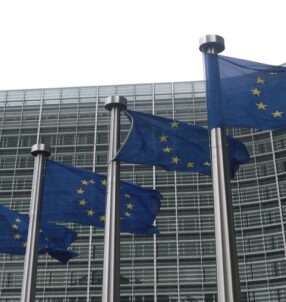
The European Parliament’s Environment and Health Committee (ENVI) adopted on Tuesday (24 October) with a large majority the final agreement on the regulation of the European Medicines Agency (EMA)’s fee system, paving the way for the endorsement in the plenary.
The vote is part of the EU’s legislation process that follows the provisional agreement reached in September. The provisional agreement must be endorsed by both Parliament and the Council, which represents the 27 EU countries, until it comes into power.
The Council hopes to endorse the provisional agreement in December, as Spanish health minister, José Manuel Miñones, told parliamentarians on Monday at the ENVI committee meeting.
The updated rules aim for more transparency and more flexibility in the fee system. Transparency will guarantee public trust in the legislative framework for medicines in the EU while flexibility will allow to adjust fees on inflation rates or scientific advice.
“The new regulation is a way to establish a predictable and cost-based financing system for the EMA that is at the same time flexible and agile”, the parliament’s rapporteur on the file, Romanian lawmaker Cristian-Silviu Bușoi from EPP told Euractiv after the vote.
“We aim to ensure the fee system is adaptable for the future by safeguarding regulatory flexibility,” Bușoi added.
The new regulation also aims to secure proper funding both for the EMA and the National Competent Authorities (NCAs).
“The Union’s supervisory system for medicinal products and medical devices depends both on the agency’s expertise at the central level and on the willingness of NCAs to assist the EMA as rapporteurs, co-rapporteurs and coordinators,” Bușoi told Euractiv.
On Monday (23 October), EMA’s director Emer Cooke, speaking at the ENVI, expressed thankfulness to Bușoi, “particularly for concluding the work on the EMA fees”.
The need for change
The role of the EMA is to assess the quality of a new medicine before granting access to the EU market. The agency charges fees to the pharmaceutical companies for that and these fees account for 89% of EMA’s total budget, which amounts to €407 million for 2023.
However, the current fee system is too complex and outdated, dating back to 1995. In parallel, the COVID pandemic has granted new missions to the agency, and so will the European Health Data Space (EHDS) and the new pharmaceutical legislation due in the coming months, making the current funding structure no longer efficient.
The agency’s fee system’s evaluation back in 2019 indicated the need for advanced flexibility for future developments and more sustainability in the long term.
The European Commission proposed revising the EMA’s fee structure on December 13, 2022, following the extension of the agency’s mandate. When the mandate was extended in March 2022, EMA’s Cooke warned that more resources were needed to deal with the increase in workload.
The revision of EMA’s fee system was welcomed by the industry right after the Parliament set their position in a Plenary vote in July.
“The revision of the EMA fees regulation offers an opportunity to make Europe’s regulatory network more globally competitive by ensuring that sufficient financial resources go to the European Medicines regulatory network”, Nathalie Moll, director general of The European Federation of Pharmaceutical Industries and Association (EFPIA), said in a press release.
Priority for the Spanish Presidency
Finding an agreement on the proposed Commission’s file was a priority for EU institutions. José Manuel Miñones, the health minister of Spain, which currently presides over the EU Council, reaffirmed this when talking at the ENVI committee meeting.
“What we’ve decided is to work a little bit more intensely on those files that we decided were a priority at the beginning of the presidency: the EMA’s fees, the SoHo [substances of human origin] legislation and so on,” he told parliamentarians.
This commitment can be seen in the increased working speeds: The Council reached an agreement with the Parliament within two trialogues, three weeks apart from one another. The first one took place on 5 September and the second on 25 September.
“We reached an agreement with Parliament on the sustainability of the European Medicines Regulatory Network with the EMA and the competent national authorities. So congratulations to all of you for the sterling job that you did,” Miñones concluded.
Source: Euractiv.com










Leave a comment