

By Martin Banks
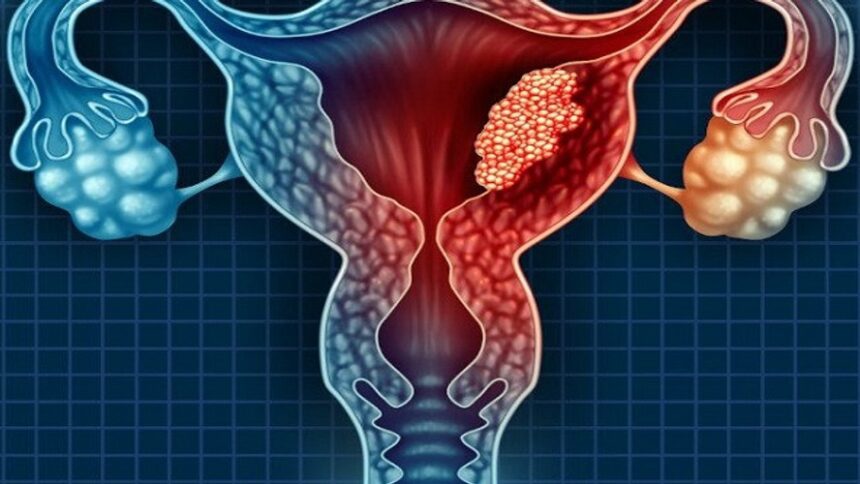
More than 27,000 women in Europe die from cervical cancer each year.
The human papillomavirus (HPV) is responsible for this disease and for at least five other cancers that affect both women and men.
HPV vaccination is among the most effective tools available, yet its full potential is still not being realised.
To help address this, a valuable resource has been introduced.
Developed by leading European experts, the Good Practice Guide brings together evidence and real-world experience from countries that have successfully improved vaccination rates.
It provides practical recommendations on programme design, delivery systems, data use and communication, helping policymakers and health systems translate commitments into effective action.
Designed as a concise, fully digital and interactive resource, the ECO Guide can be adapted to different countries and used to support continuous improvement of vaccination programmes.
To support this analysis, the EPF Atlas provides what is called a comparative overview of vaccination policies and implementation across Europe, highlighting where gaps persist and where further action is needed.
Together, they identify where countries stand and offer practical solutions to strengthen HPV vaccination delivery.
Commenting on the initiative, Daniel Kelly,co-chair, ECO HPV and Hep B Action Network, said, “Europe has already made strong commitments on cancer prevention.
“The question now is whether we are delivering on them. HPV-related cancers are largely preventable, yet too many people remain unprotected. Strengthening both vaccination and screening must remain a political priority, backed by sustained investment and clear accountability across member states.”
Key messages include :
- Safe and effective vaccines are widely available, yet differences in programme design, delivery systems and public engagement result in uneven protection across Europe.
- HPV vaccination must be treated as a core component of cancer prevention systems. The Guide calls for stronger integration into national cancer plans, backed by sustained political commitment and long-term investment.
- Reaching target population effectively requires reliable delivery models that ensure easy access, coordinate vaccination planning and delivery across sectors such as health and education, and minimise missed opportunities for vaccination.
- Data and accountability are essential. Strengthening registries and monitoring systems are critical to track uptake, identify gaps and support evidence-based decision-making.
- Public confidence is critical. Continuous, trusted communication is needed to normalise vaccination best practices, and counter misinformation.
- Equity must be built into programme design. Differences in access between countries and population groups highlight the need to ensure that all eligible populations are reached, without financial, social or geographic barriers.
- Closing immunity gaps requires targeted strategies. Catch-up vaccination and extended eligibility can help ensure that those who missed initial opportunities are not left unprotected.
Colleague Margaret Stanley added, “We have the knowledge, the tools, and the evidence. What we are missing is consistent implementation that achieves high vaccine coverage and high uptake of screening.
“Effective HPV prevention depends on strong systems that deliver both vaccination and screening in a coordinated, sustainable and equitable way across all target populations. This is about making prevention work in practice, not just in policy.”
Further comment comes from Joakim Dillner, Director, Center for Cervical Cancer Elimination, Karolinska Institutet in Stockholm, who said, “Behind every gap in vaccination or screening is a person who is not being reached.
“Prevention only works when it is accessible, trusted, and part of everyday life. That means addressing barriers, building confidence, and ensuring no community is left behind.”











Leave a comment