
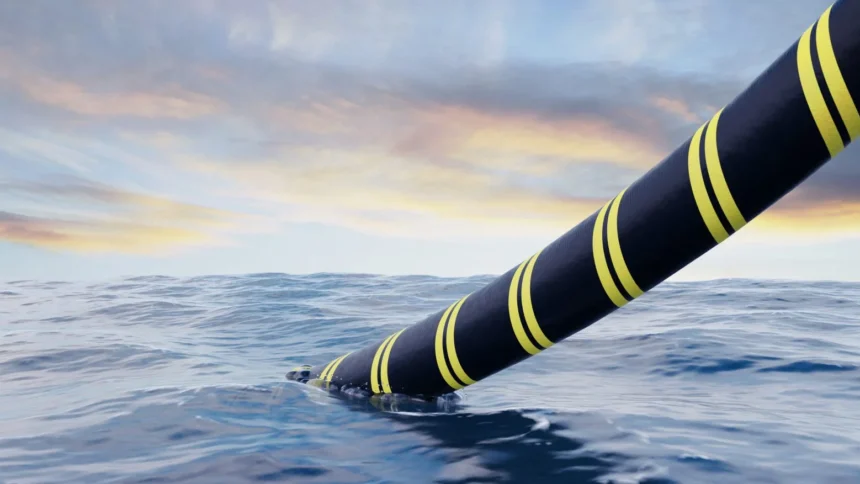

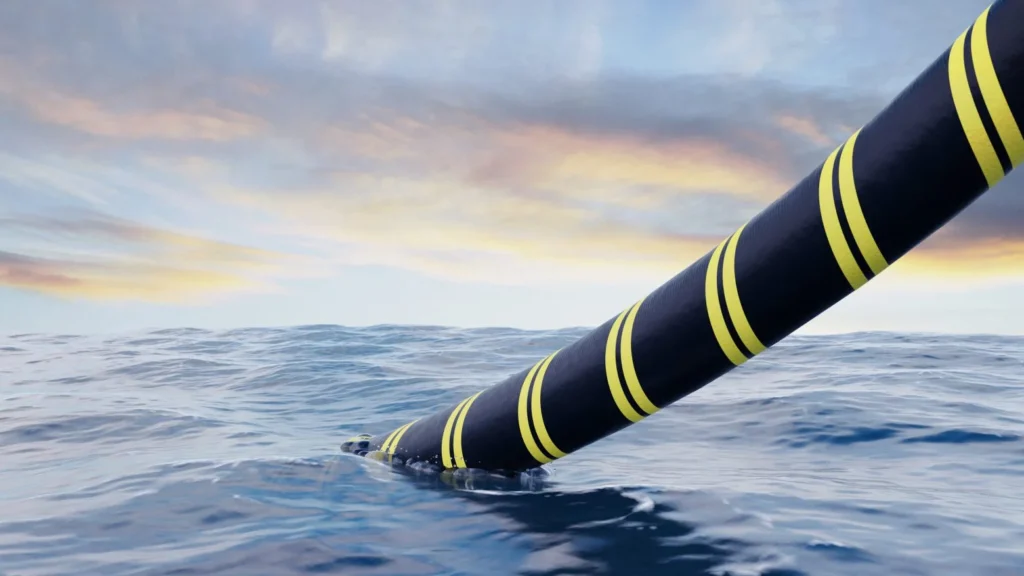
Instability and conflict over who benefits come to the surface again. The laying of the undersea electricity cable in the Eastern Mediterranean is emerging as another critical geopolitical focal point in Greek-Turkish relations. The question of whether Greek-Turkish relations will be “heated up” concerns not only the possibility of military tension but primarily the clash of strategic ambitions over sovereignty, maritime zones and energy control in the region. Turkey views any project that strengthens the geoeconomic role of Greece and the Republic of Cyprus as a potential threat to its own influence in the Eastern Mediterranean.
Even though the laying of an electricity interconnection cable is not merely a technical infrastructure project, it is linked to Europe’s energy autonomy strategy, the strengthening of cooperation among Greece, Cyprus and Israel, and the creation of new axes of stability in the region. For Ankara, such initiatives are perceived as part of a broader framework of “encirclement,” especially when they take place in maritime areas that Turkey disputes under the doctrine of the “Blue Homeland.”
Thus, the most likely scenario for the summer is not a full-scale conflict, but rather a period of heightened low-intensity tension: NAVTEX announcements, the presence of warships, rhetorical threats and pressure tactics on the ground. Turkey often seeks to create “gray zones” of dispute without crossing the threshold into an open military crisis, which would carry high economic and diplomatic costs. At the same time, Greece is seeking to advance these projects with European and international backing, presenting them as initiatives of common energy interest rather than unilateral actions.
Also, international actors will play a decisive role. The European Union seeks stability because of energy security concerns. At the same time, the United States does not want another source of tension within NATO amid the war in Ukraine and instability in the Middle East. This acts as a deterrent against extreme actions.
Therefore, the summer is expected to be politically and diplomatically “heated up” characterized by heightened tension and strategic maneuvering, though not necessarily by direct military confrontation. The laying of the cable is thus becoming a test of power, legitimacy and influence in the Eastern Mediterranean.







Leave a comment