




Germany loses top spot for EU country with the most asylum requests
France and Spain received more asylum applications in the first half of 2025 than Germany, with more Venezuelan and fewer Syrian applications partly responsible.


France and Spain received more asylum applications in the first half of 2025 than Germany, with more Venezuelan and fewer Syrian applications partly responsible.

The incoming German government of Friedrich Merz said it will tighten and expand border controls in an effort to combat irregular immigration.

Germany’s stance on the EU’s upcoming Clean Industrial Deal calls for looser state aid rules and deregulation, according to a document seen by Euractiv.

Germany increased its arms exports to Israel in the second half of the year, contrary to European trends, amid claims that the government resumed suspended arms sales after receiving assurances from Israel that weapons would be used by international law.

According to the Swiss federal government, the heavy rain north of the Alps will continue until Saturday morning.
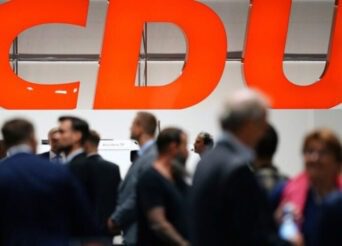
Germany’s Christian Democratic Union (CDU), the country’s leading opposition party, has been hit by a major cyberattack and has taken parts of its IT-infrastructure off the grid as a precautionary measure, authorities said on Saturday (1 June).
A controversial gas transit surcharge levied by Germany will be increased again from July, the German operator announced on Tuesday (21 May), adding to tensions with Austria and Brussels.

After numerous delays, the planned legalisation of cannabis consumption in Germany has passed its last major obstacle – the Bundesrat (Federal Council) – however further resistance at the local level is anticipated.

The German government hopes to secure the long-term financing of its pension system with a new capital stock of up to €200 billion, which should be invested in global markets and yield €10 billion annually starting from 2036.

With Germany’s Bundestag voting to legalise the use of cannabis on Friday (23 February), health professionals in France and across Europe remain divided over the effectiveness of such a measure in protecting consumers.