
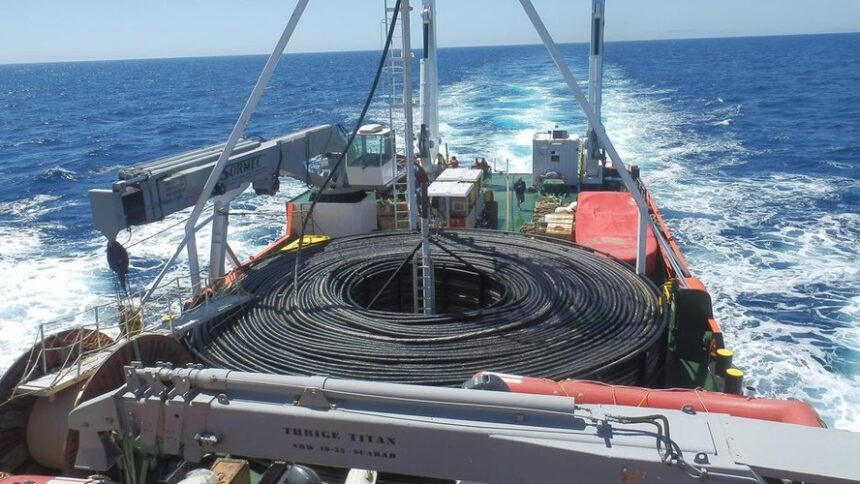
Turkey is keeping a careful eye on statements being made and details being published in Athens on the Greek plans to lay the undersea GSI power cable intended to link Greece’s grid with Cyprus.
Officials in Ankara say Turkey has no intention of obstructing any project, and that if the desire is there to cooperate on building infrastructure then a way can be found.
If, on the other hand, “the intention is to create faits accomplis by means of a specific project then Turkey will move in the direction of safeguarding its interests in the eastern Mediterranean.”
The officials cite as an example of cooperation the project to lay the Blue Raman undersea optical fibre cable which went ahead without incident even though it was routed through areas included in the Turkish-Libyan agreement.
At the time, all interested parties had been briefed and permits had been issued by all regional countries, with different approaches and without much detail being made public.
The main drift of the Turkish argument is that Blue Raman can serve as a precedent, with coordination ensuring that no party needs to abandon its legal position.
The formula Kathimerini has revealed, for France’s Meridiam to undertake to brief both Ankara and Athens on the project, is closer to the positions Turkish officials have voiced to Kathimerini. However, as experienced analysts note, there is a significance in who issues the permit, and that is where diplomatic, at least, differences could emerge.
Officials in Turkey concede that if there is no advance coordination or cooperation on the issue, the possibility of “engagement” will become stronger. Despite contacts between Turkish and Greek officials and some lines of communication kept open between the two sides, experienced political analysts say that recently, and mostly in August, Turkey has brought to the fore issues that it had kept under the table during the previous period of “calm waters.”
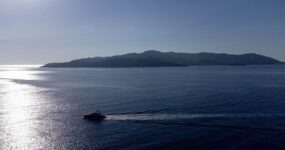
The Turkish marine parks declared by presidential decree around Kastellorizo and in the northern Aegean and the questioning of the sovereignty of islands and islets through statements from Turkey’s Foreign Ministry – stemming from the new regulatory frameworks for tourism and renewables – are among the most recent examples.
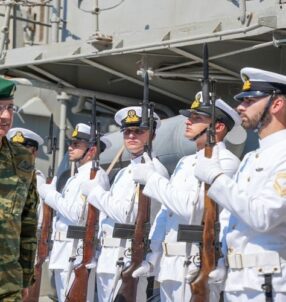
On Thursday, Turkey’s Defense Ministry asked Greece to stop militarising the islands, stressing that “Greece’s militarising of these islands in breach of treaties is illegal and this practice must be abandoned.”
Source: Ekathimerini.com










Leave a comment