



20 years of euro: The success and shortcomings
Although officially introduced on 1 January 1999, the euro became a tangible reality for most Europeans on 1 January 2002, when the first euro coins and banknotes were put into circulation.
The European Union, has drawn up plans to label some natural gas and nuclear energy power plants as “transitional” or “green” investments provided they meet specific criteria such as displacing more polluting coal plants.
France takes over the rotating presidency of the European Union on Saturday (1 January), affording President Emmanuel Macron the chance to pose as the EU’s de facto leader in the run-up to national elections in April.
This article is part of our special report What to expect in EU policymaking in 2022.
During its six-month EU presidency, Slovenia successfully led the process of adopting European legislation, but that has been somewhat overshadowed by concerns from Brussels about the rule of law in Slovenia, particularly the government’s attitude towards the media and its failure to appoint the European delegated prosecutors.
Following protests from the sector, the Belgian government reversed course on Wednesday (29 December) by allowing theatres to reopen after a court suspended their closure ordered a week ago to try to stem the surge in infections from the Omicron coronavirus variant.
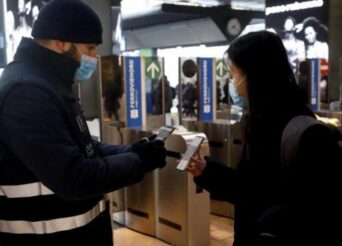
Health experts urged the Italian government on Monday (27 December) to relax COVID-19 quarantine rules, saying that the country otherwise risked paralysis as the highly infectious Omicron variant spreads.
Angela Merkel’s departure from the political stage after 16 years as chancellor has not only ushered in a new era in Germany but also shaken up the power balance in the EU.
The head of Poland’s ruling party Jarosław said on Friday (24 December) that Germany was trying to turn the European Union into a federal “German Fourth Reich”.
For organic farmers, Germany’s plans for implementing the EU’s agricultural reform run counter to achieving the 30 per cent organic farming target set by the new coalition government. EURACTIV Germany reports.
| Cookie | Duration | Description |
|---|---|---|
| cookielawinfo-checbox-analytics | 11 months | This cookie is set by GDPR Cookie Consent plugin. The cookie is used to store the user consent for the cookies in the category "Analytics". |
| cookielawinfo-checbox-functional | 11 months | The cookie is set by GDPR cookie consent to record the user consent for the cookies in the category "Functional". |
| cookielawinfo-checbox-others | 11 months | This cookie is set by GDPR Cookie Consent plugin. The cookie is used to store the user consent for the cookies in the category "Other. |
| cookielawinfo-checkbox-necessary | 11 months | This cookie is set by GDPR Cookie Consent plugin. The cookies is used to store the user consent for the cookies in the category "Necessary". |
| cookielawinfo-checkbox-performance | 11 months | This cookie is set by GDPR Cookie Consent plugin. The cookie is used to store the user consent for the cookies in the category "Performance". |
| viewed_cookie_policy | 11 months | The cookie is set by the GDPR Cookie Consent plugin and is used to store whether or not user has consented to the use of cookies. It does not store any personal data. |