
Cypriots celebrated on Monday the Kataklysmos (from the Greek “flood”), marking the 50th day after Easter and coincides with Pentecost.
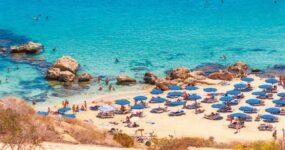
The celebration of the Holy Spirit, is traditionally associated with water, even in the year 2025 amid a period of drought, and is mainly observed through events organised by coastal municipalities since last week, culminating today.
Many customs accompany this celebration in Cyprus, dating back to ancient times and linked to the Biblical story of Noah’s Flood. Once, the celebration also had a strong commercial character.
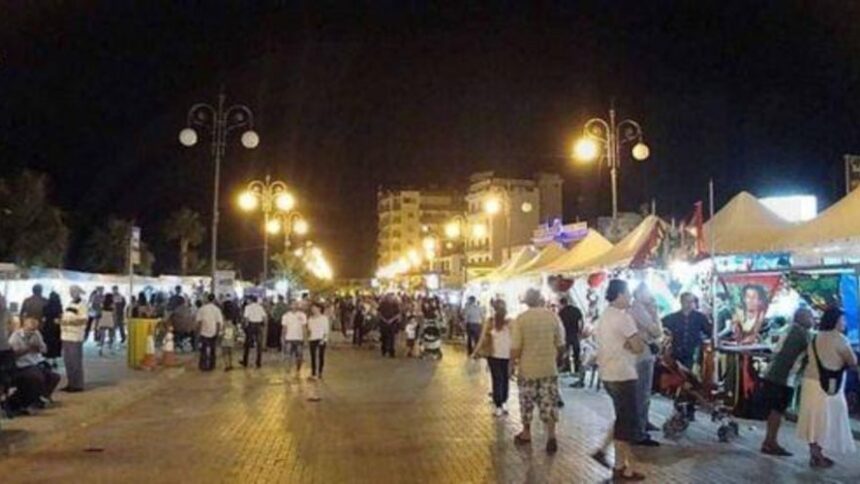
Traditionally, there are songs and dances, games and “tsiatista” (lively, impromptu oral poetry), along with traditional treats such as loukoumades (donuts) and “porika,” which include nuts and soutzoukos, a traditional, chewy sweet made from grape juice that has looks similar to a candle, and is popular at traditional festivals. All these are sold from makeshift stalls.
In the past, these festivities were accompanied by such offerings, and many of these customs still survive today. However, in recent years, the Flood Festival has expanded beyond original customs to include large concerts and other cultural events.
The events of the Kataklysmos are organised by local authorities in each seaside area. Until 1974, the most famous Flood Festival took place in Famagusta, while in Larnaca, it has been organised since the 19th century. The festival has been officially institutionalized by the Municipality of Larnaca since 1918, but sources indicate it was celebrated long before that date with seaside celebrations.
In Famagusta, the festivities usually took place at the location called “Glossa” (Tongue). After the city was occupied by Turkish troops in 1974, the celebrations have been held in Paralimni (Protaras) and Ayia Napa.
In Larnaca, the events are held at the Phinikoudes beach.
Celebrations also took place in Kyrenia until 1974, while Limassol is equally well known for its Flood Festival.
Source: Parikiaki.com



Leave a comment