
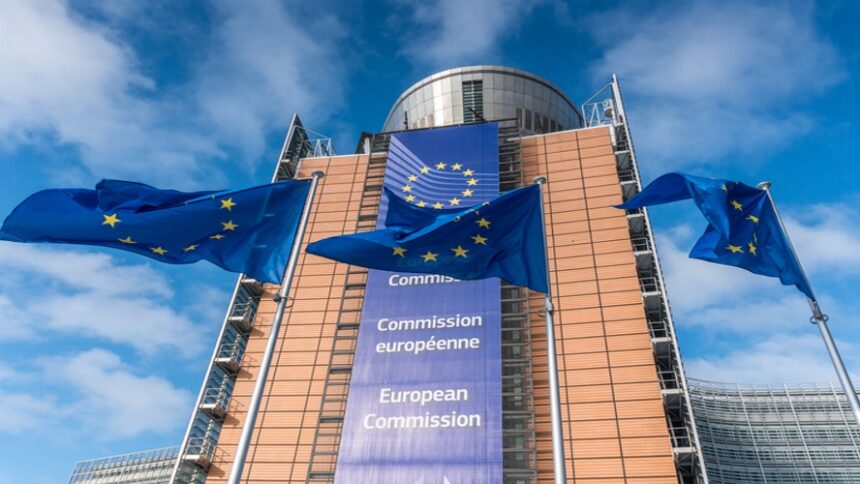
Europe’s leaders were warned on Friday that a failure to agree on new EU-wide taxes could force spending cuts of up to 40% in the bloc’s next long-term budget, according to a European Commission assessment presented to capitals.
The analysis was shared during the first discussion at the level of heads of state and government of spending figures put forward last week.
The Commission plans to raise €66 billion through new EU-wide levies to fund the expenditure, and failure to agree would have a drastic impact on the EU’s future spending between 2028 and 2034.
To close the financing gap, capitals would either have to increase their national contributions, which is unlikely, given the strong opposition of large contributors, or accept significant spending reductions.
According to an EU diplomat, the Commission’s stocktake indicated “a 40% cut across the board”, including trims to traditional policies such as agriculture, which are politically important in many countries, especially France.
Should agriculture and cohesion funding be shielded, cuts to “modernisation” could stand as high as 80%, the diplomat added. In the new budget, the term largely refers to the Commission’s new priorities, such as competitiveness and security.
The cuts could see the EU’s flagship research and innovation programme, Horizon, halved, while the mobility programme, Erasmus, could face cuts of about a third.
The assessment comes as capitals remain deeply divided over the size of the total budget and how to fund the almost €2 trillion cash pot.
Most of the EU spending is funded through direct national contributions, while indirect contributions, known as ‘own resources’, also help fund the budget.
Brussels proposed five new revenue streams last July, including duties on tobacco, e-waste, and corporations, as well as revenues linked to carbon pricing and greenhouse gas emissions.
So far, however, there is little agreement among capitals on the proposals. While France says it won’t sign a deal without new taxes, others, such as Sweden and Austria, view them more sceptically.
Poland and Italy are strongly opposing the duty related to greenhouse gas emissions, and Germany – and many others – are staunchly against a corporate tax.
In his invitation letter ahead of the summit, António Costa, the Council president, had urged capitals to make progress on the issue, warning that reaching a deal at the end of the year might not be feasible otherwise.
Angelo Di Mambro contributed reporting
(adm, bw)
Source: Euractiv.com










Leave a comment