
A new ministerial decree governing the development, installation and connection of self-consumption electricity systems has been put out for public consultation until July 20, aiming to reform and simplify the net billing framework. For the first time, the draft decision allows the installation of small photovoltaic systems of up to 800 watts – or so-called “balcony photovoltaics” – as well as standalone electricity storage systems.
These systems will be used exclusively to meet the consumer’s own electricity needs, without the possibility of feeding power into the grid. At the same time, the decree sets out technical requirements and safety measures to protect both the grid and internal electrical installations.
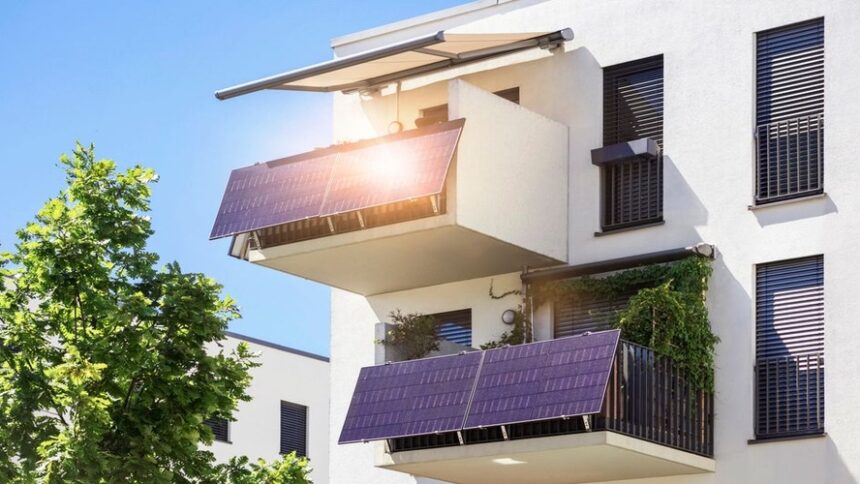
The main change concerns the installation of small plug-in photovoltaic systems inside or on buildings. These systems will be allowed to have a maximum grid injection capacity of 800 watts and an installed capacity of up to 900 watts. They will be intended exclusively for self-consumption and may also be paired with a battery.
In practice, these are small photovoltaics that can be placed on balconies, terraces or other areas of buildings and reduce electricity consumption from the grid.
The decision also paves the way for the installation of individual storage stations, without the requirement that they be accompanied by an RES production unit. The batteries will operate exclusively for self-consumption and without injecting electricity into the grid. The provision allows, for example, the storage of cheaper electricity and its use when demand increases.
The no-injection model, known as “zero feed-in,” ensures that electricity produced or stored is offset against the user’s consumption, with no electricity flowing back into the grid. The decree also establishes a framework for collective self-consumption. At least two consumers in the same building or residential complex will be able to install a shared generation system and allocate the electricity produced between them.
The scheme may also cover the shared electricity needs of an apartment building, including lighting, elevators and other common facilities. Its implementation will be based on virtual simultaneous netting.
Source: Ekathimerini.com












Leave a comment